To see last year’s work go to Diary 2022
December 2023
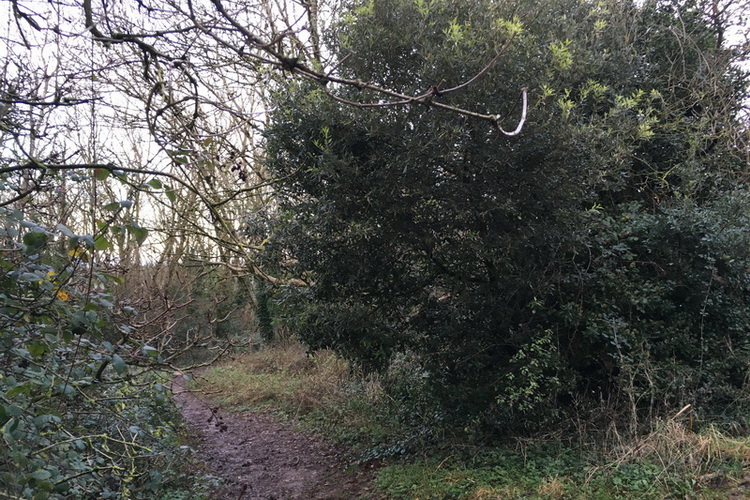
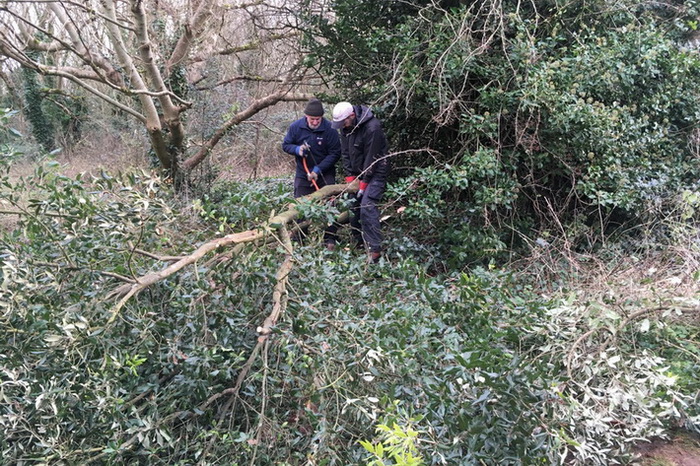
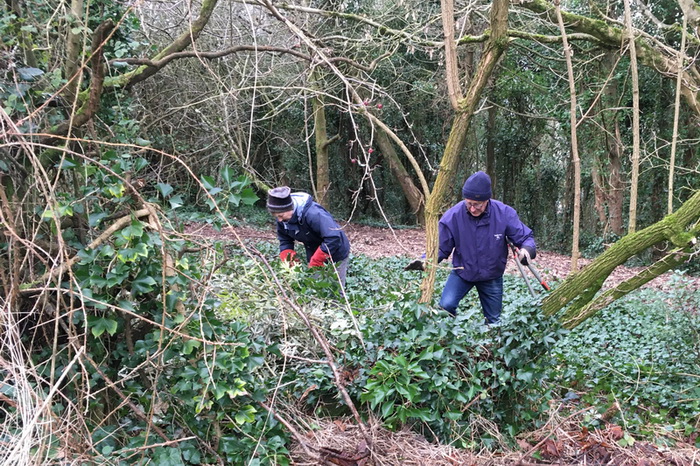
Dial Hill – a holm oak, close to the path and competing with native trees including holly and hawthorn, is removed. Resulting brash is used to create a habitat pile. Elsewhere, brambles are trimmed back from a path.
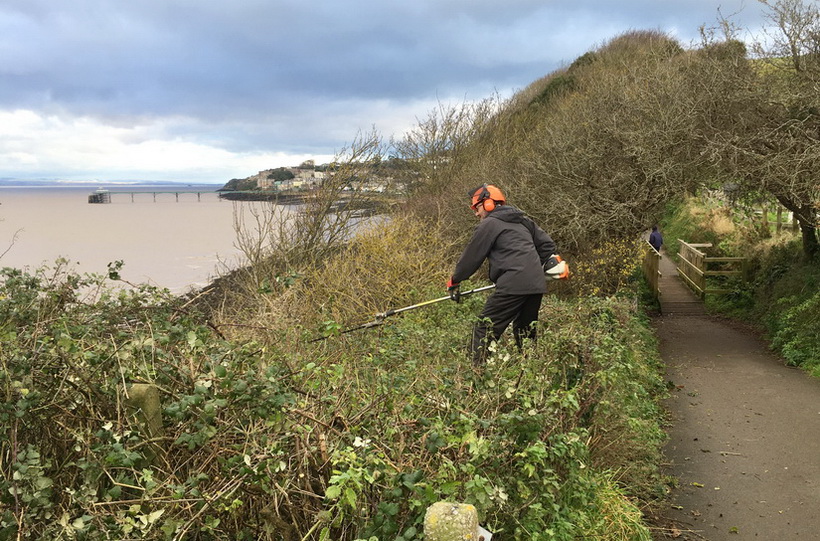
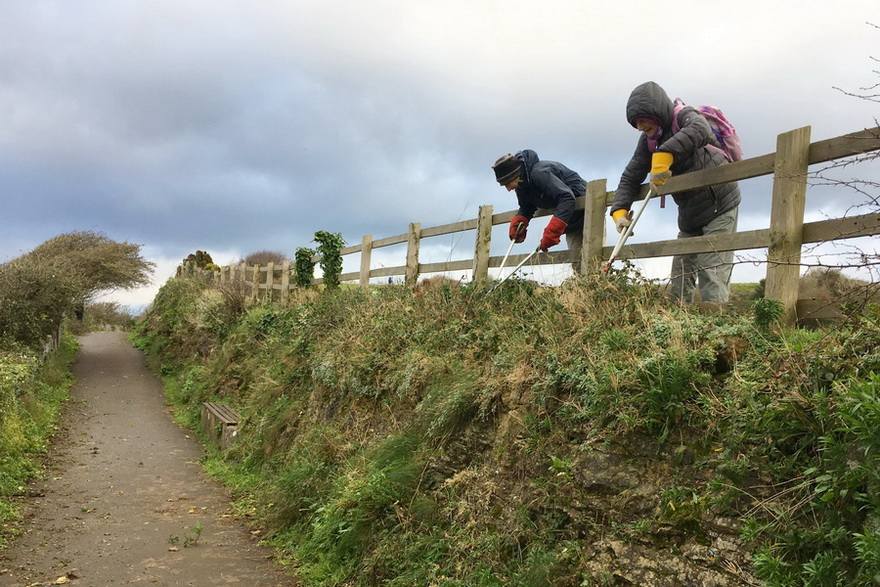
Poets’ Walk – trimming back scrub on the seaward side of the coast path to maintain the view; cutting back brambles along St Andrew’s cemetery fence line
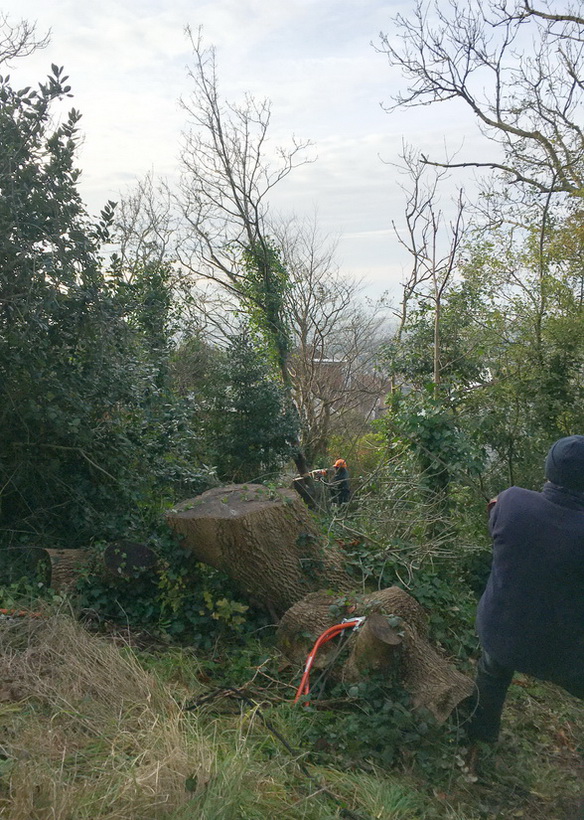
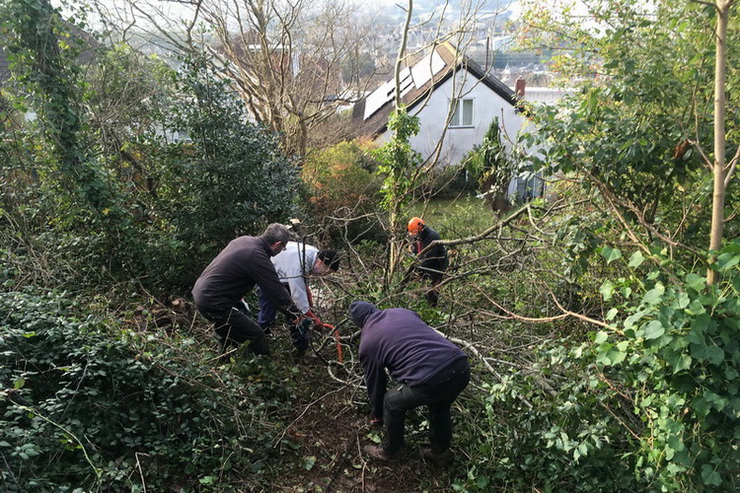
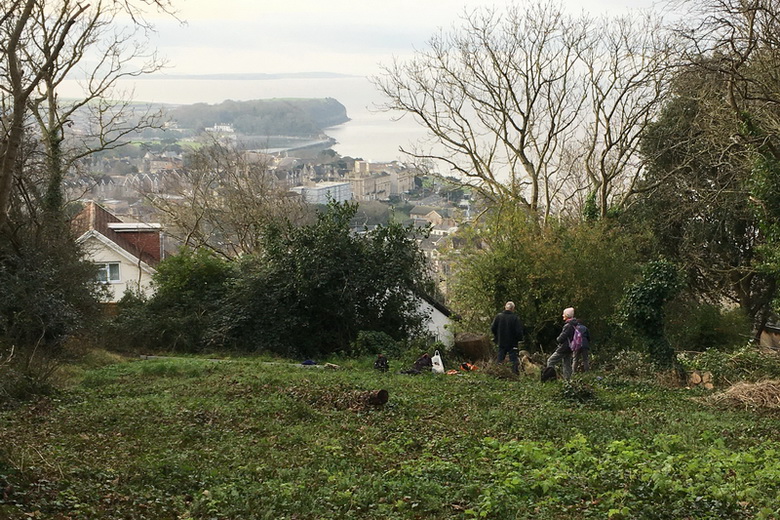
The view over Clevedon Bay from Dial Hill is further improved by felling a small sycamore with consent from the neighbours. Brash is used to create a dead-hedge habitat.
November 2023
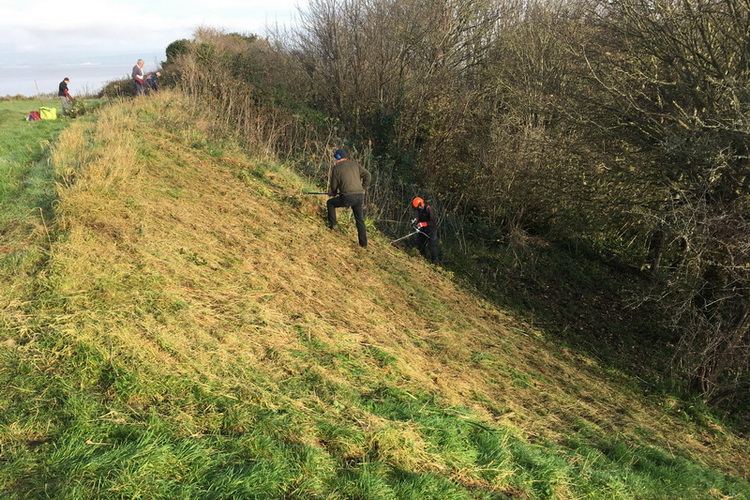
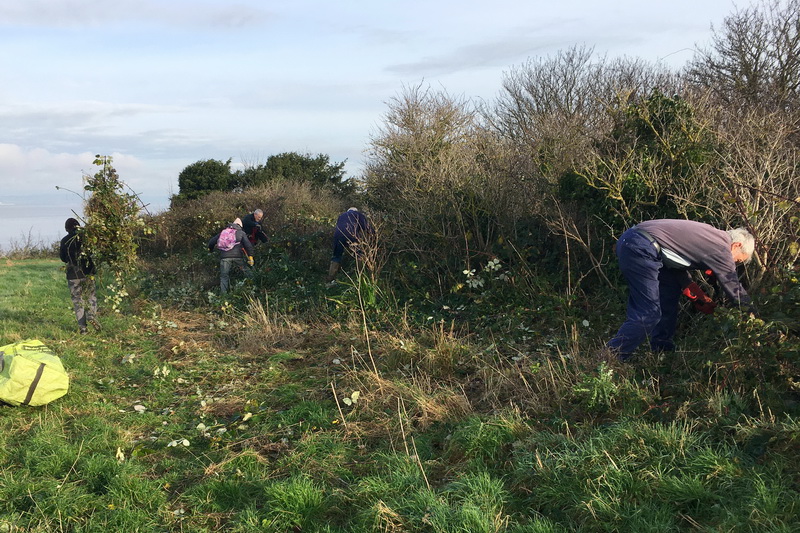
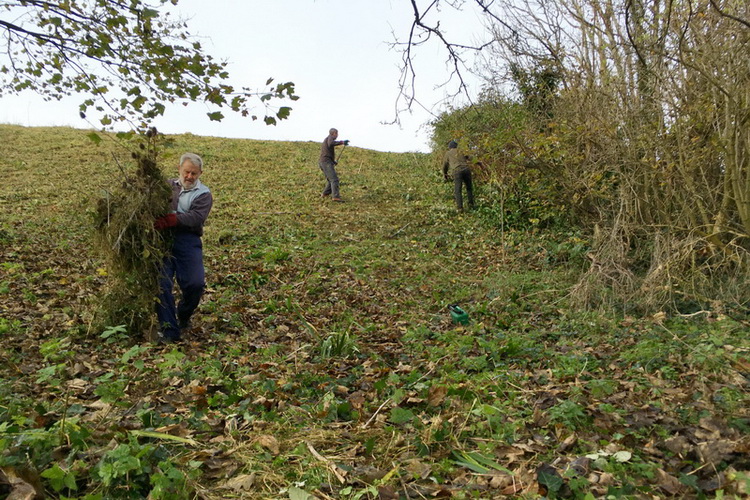
Brush-cutting neglected scrub on the north end of Wain’s Hill Iron Age rampart slope. Above the slope, encroaching brambles are cut out at the grassland edge.
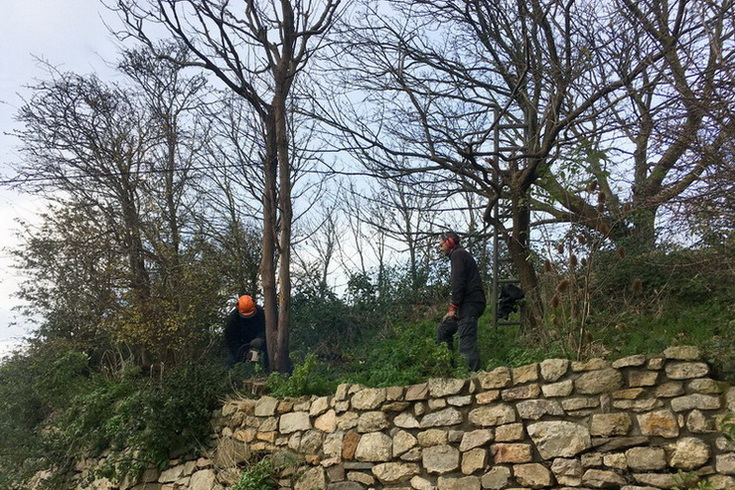
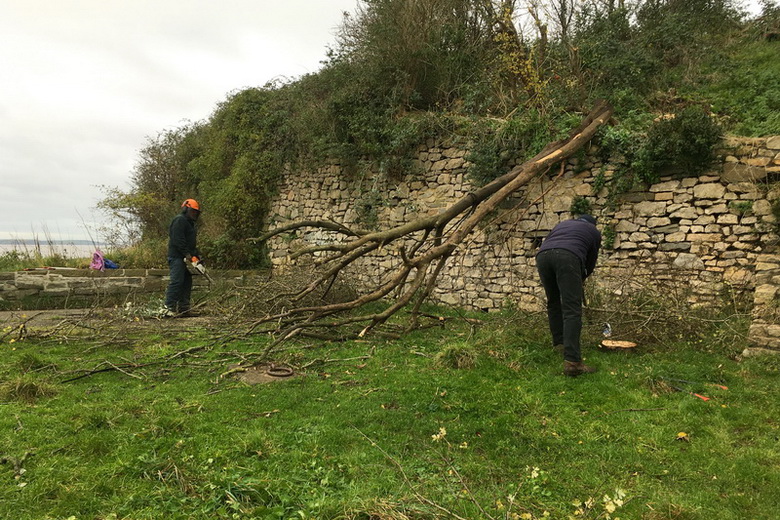
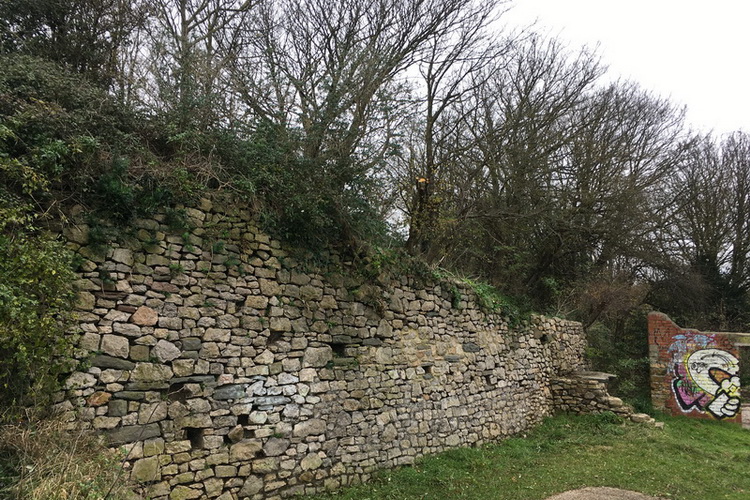
Wain’s Hill battery site (Poets’ Walk) – felling a dead sycamore and clearing vegetation from the retaining wall to protect the Victorian masonry
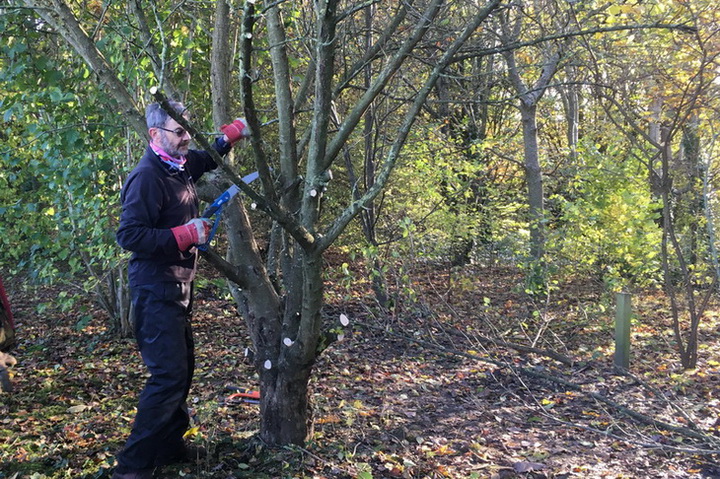
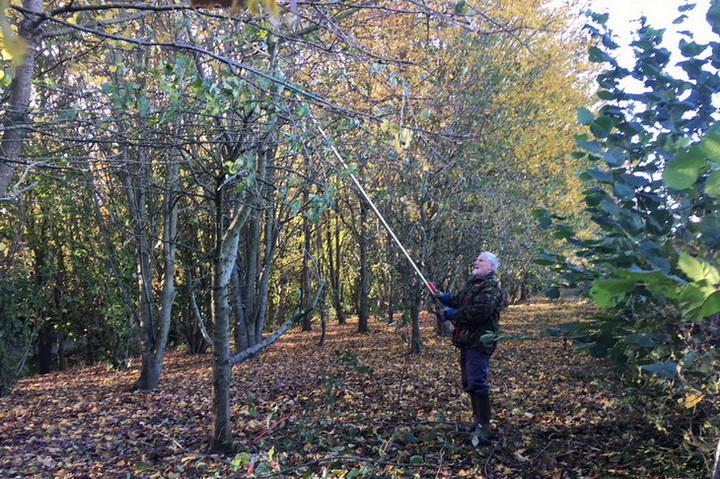
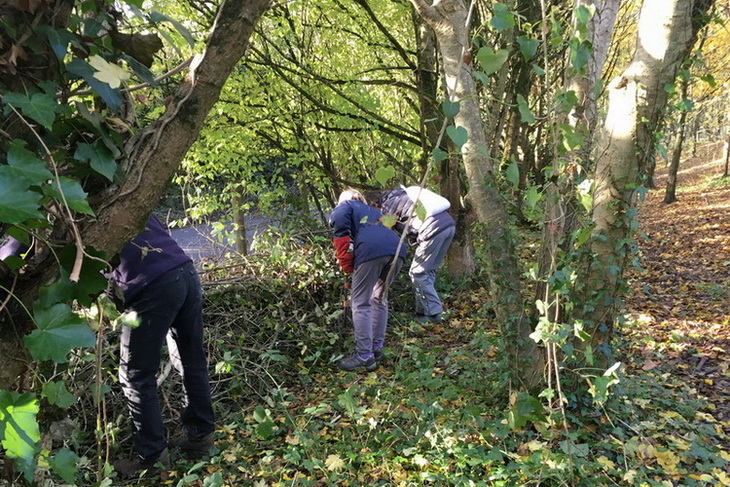
Pruning overgrown apple trees in Quinney’s Wood and creating a habitat pile
October 2023
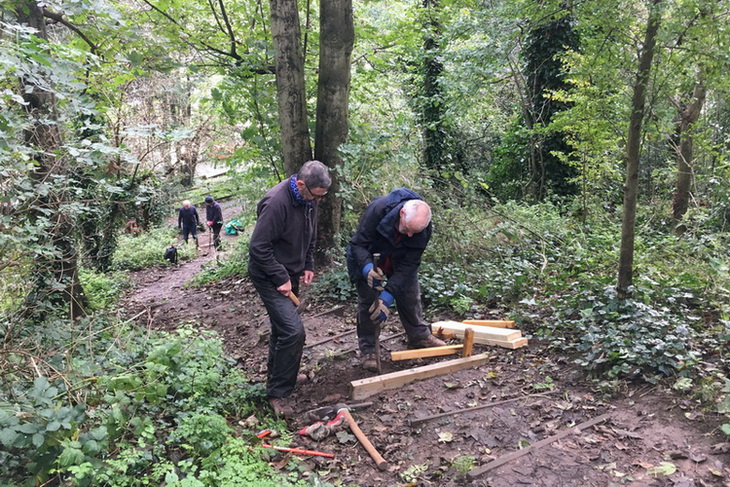
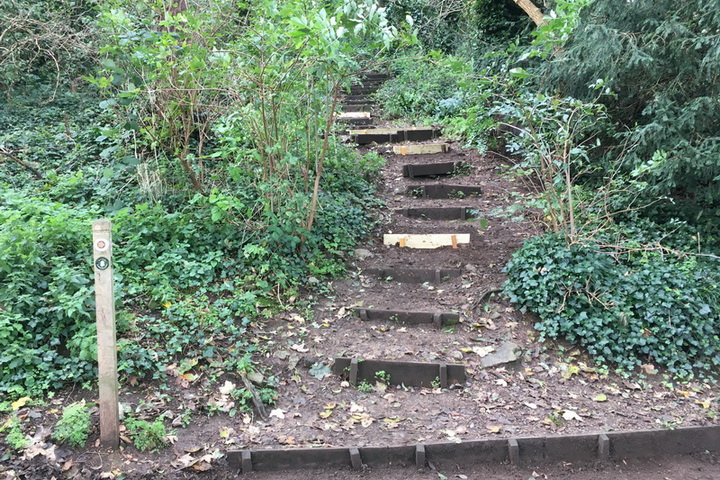
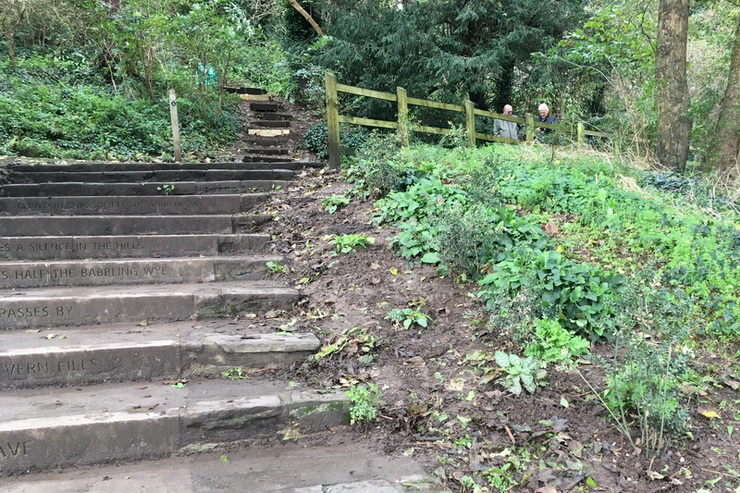
Salthouse Woods – repairing woodland steps. The connecting flight of stone steps is swept, and more ground cover plants are planted beside them.
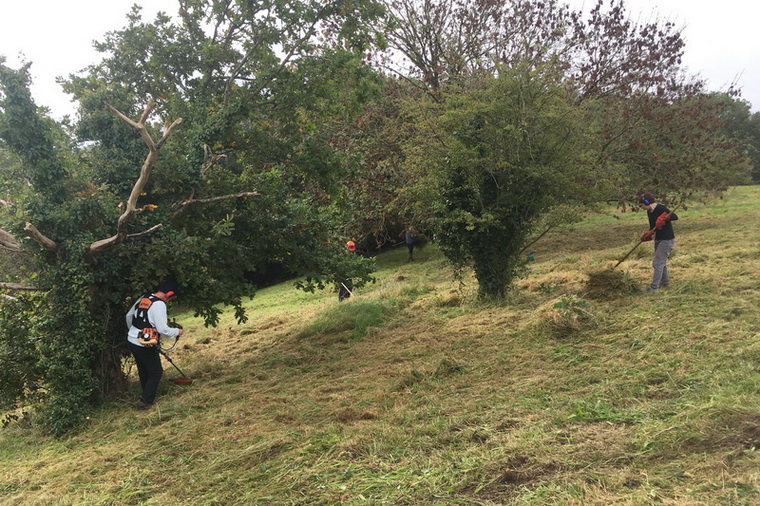
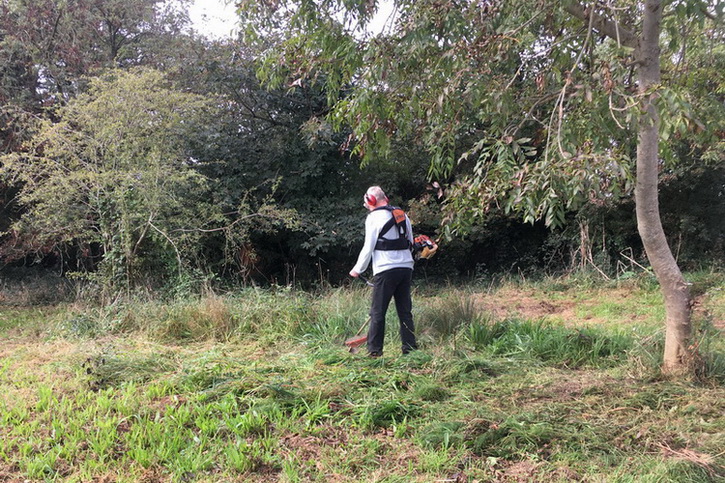
Dial Hill – late summer mowing and raking completed
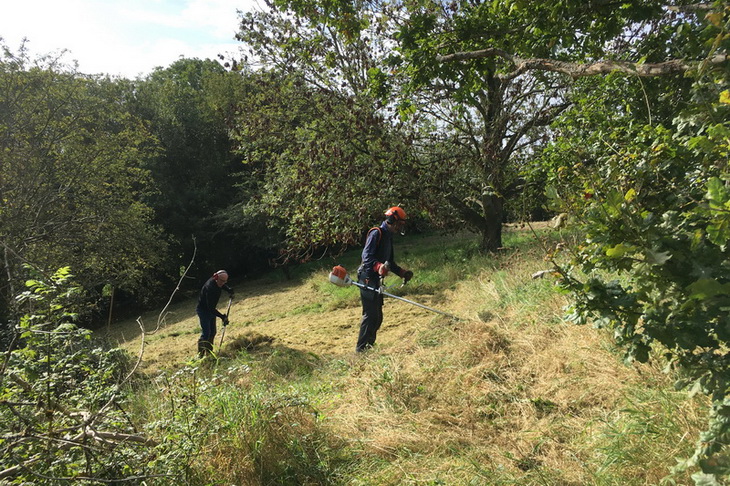
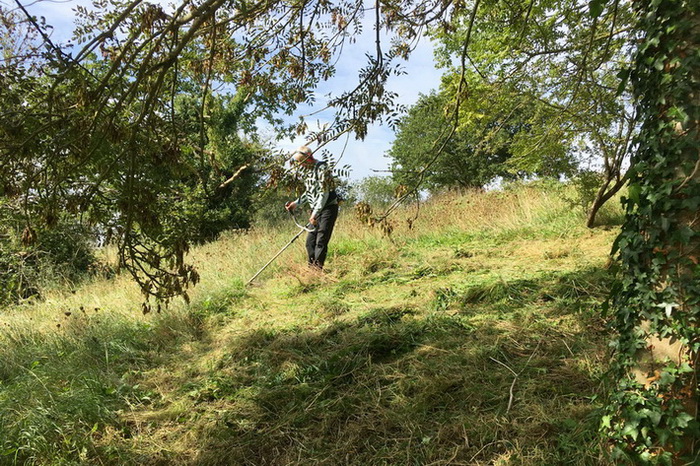
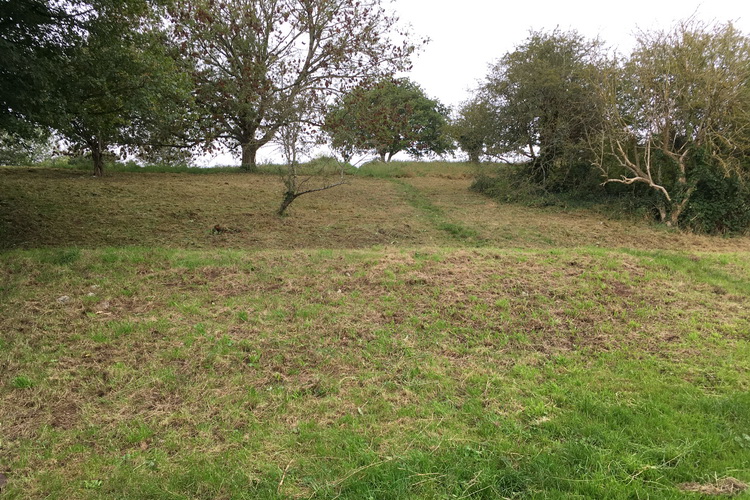
Mowing and raking continues up the south-facing slope of Dial Hill.
September 2023
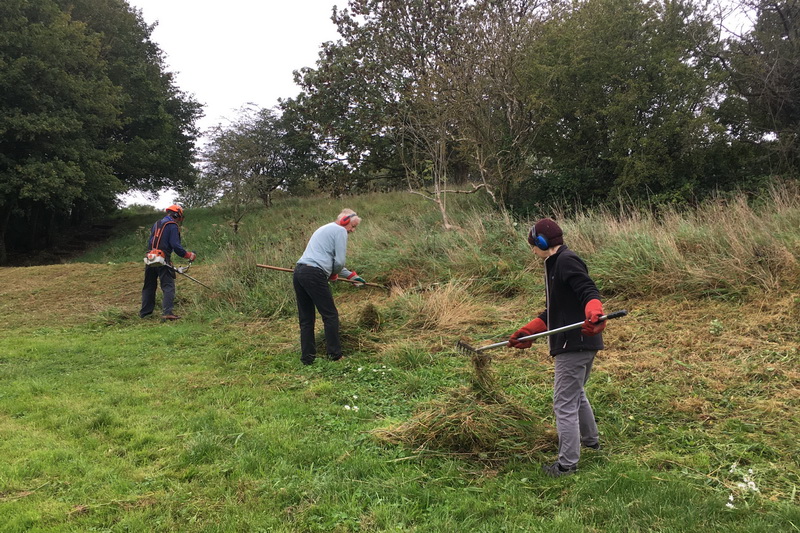
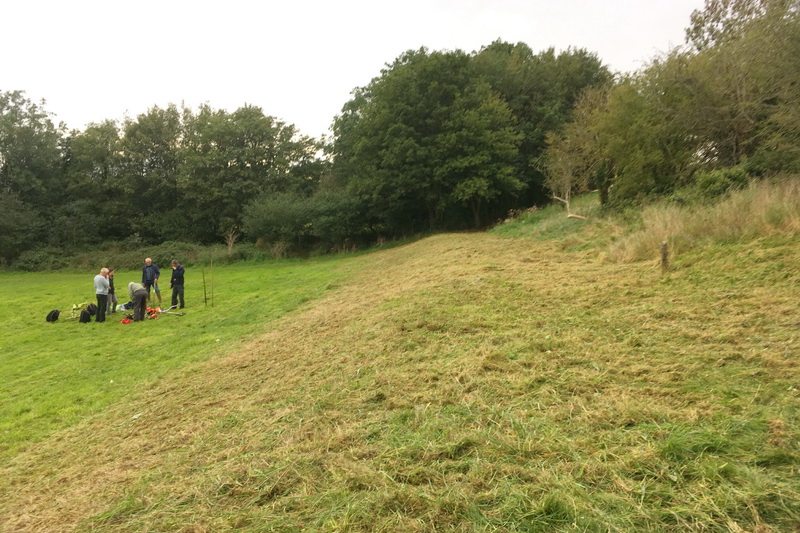
Autumn mowing starts on Dial Hill. Arisings are raked off to reduce fertility and thus encourage the development of species-rich semi-improved grassland.
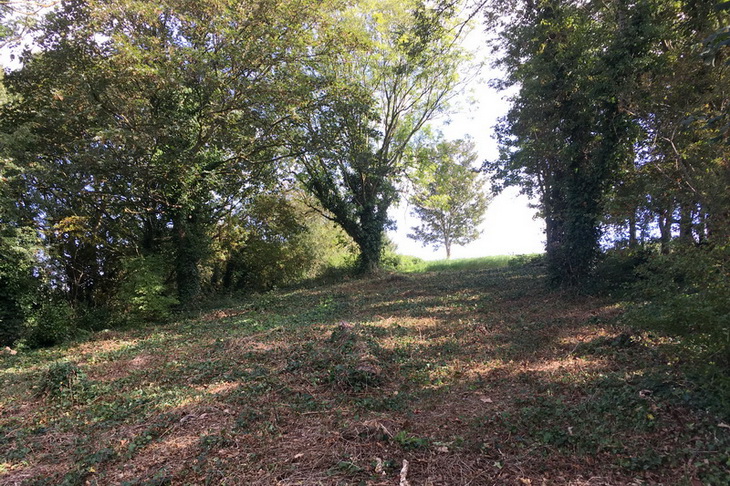
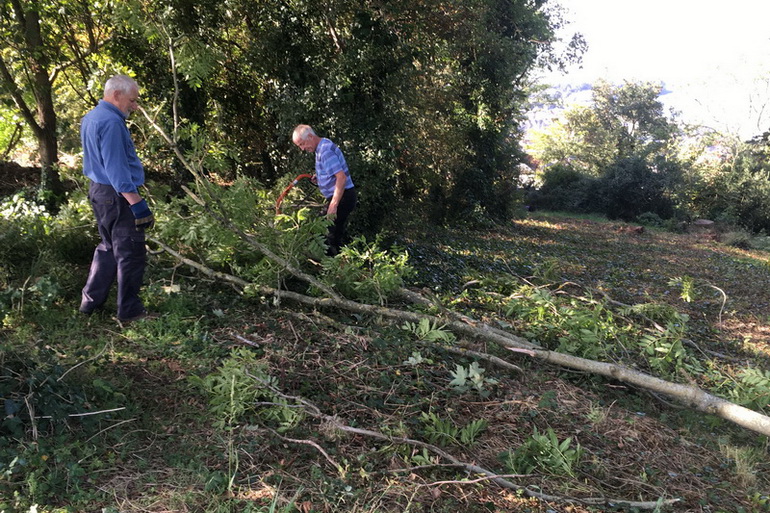
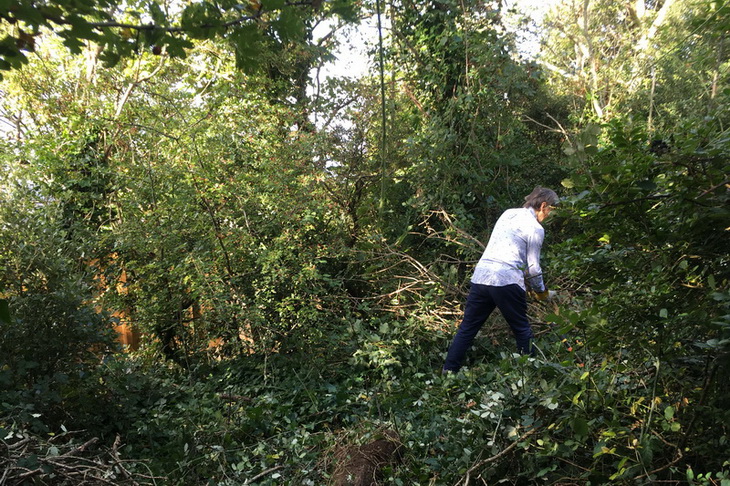
Dial Hill – a few side branches removed to further enhance the view over Clevedon Bay. A small area of scrub cleared. More invasive everlasting pea pulled in grassland.
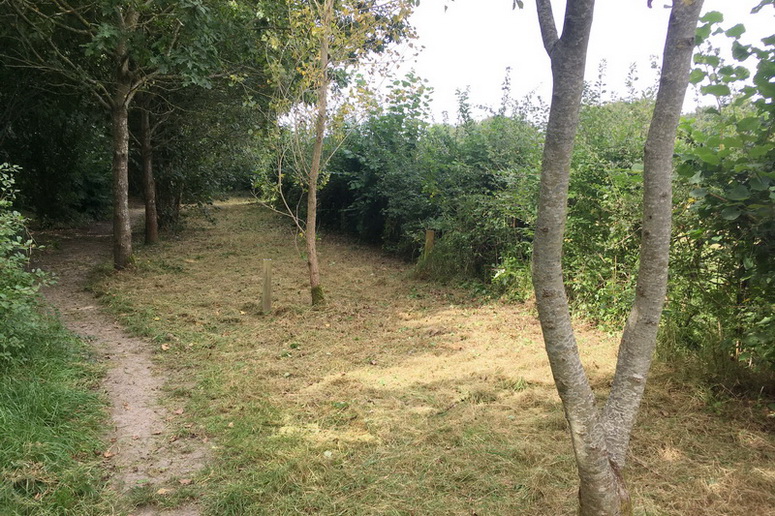
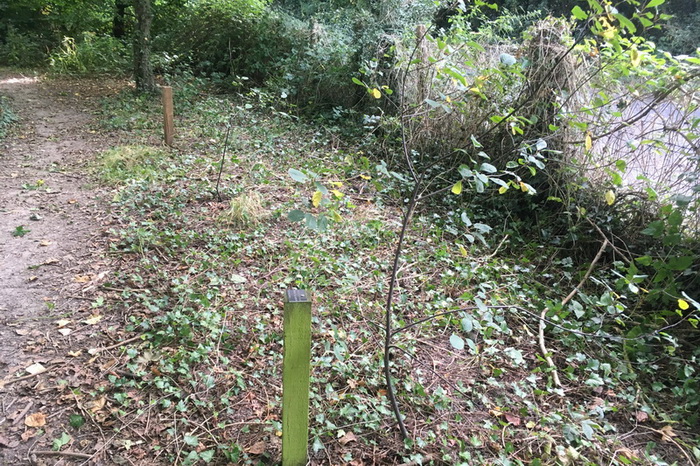
Quinney’s Wood – long grass, blackthorn & other tree suckers are cut beside the top hedge. Nettles & brambles are cleared from among young buckthorn plants.
August 2023
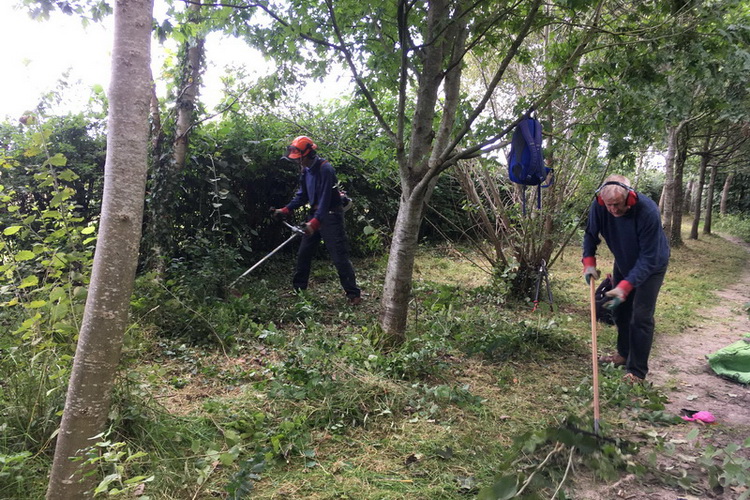
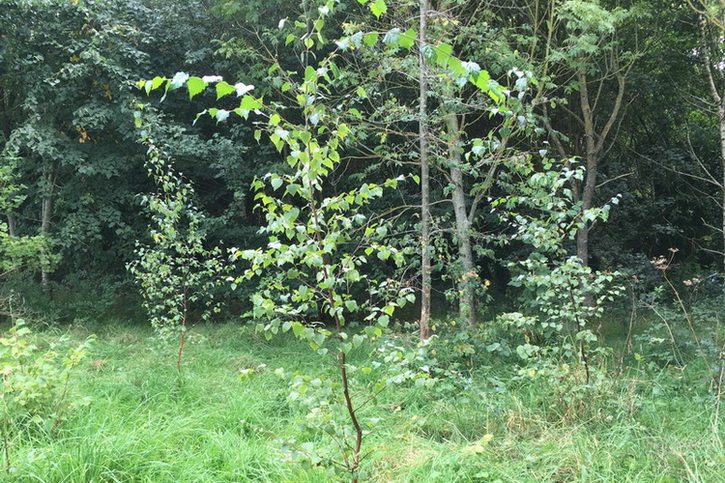
Quinney’s Wood – brush-cutting invasive tree suckers (mostly aspen) beside the top hedge. Blackthorn suckers are cut out among young birch trees in a grassy glade.
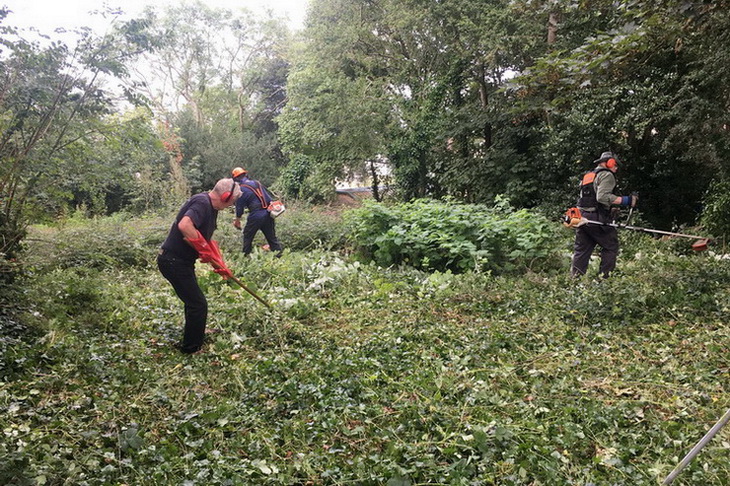
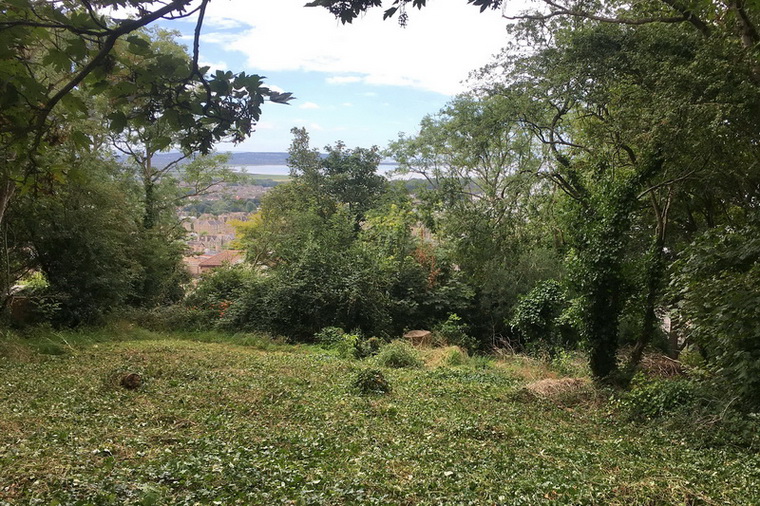
Dial Hill – clearing more scrub from the viewing corridor
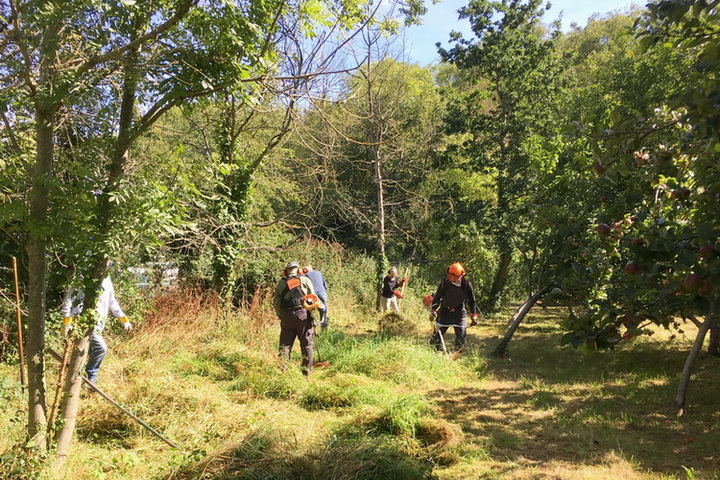
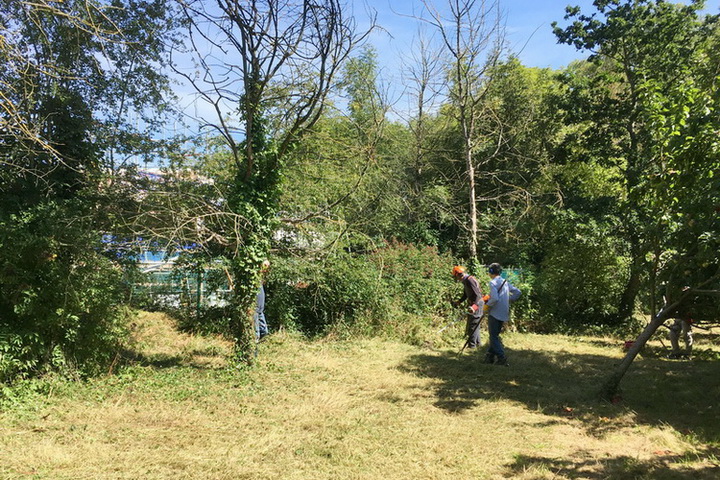
Mowing continues in the Orchard, this time around the edges and at the access point.
July/August 2023
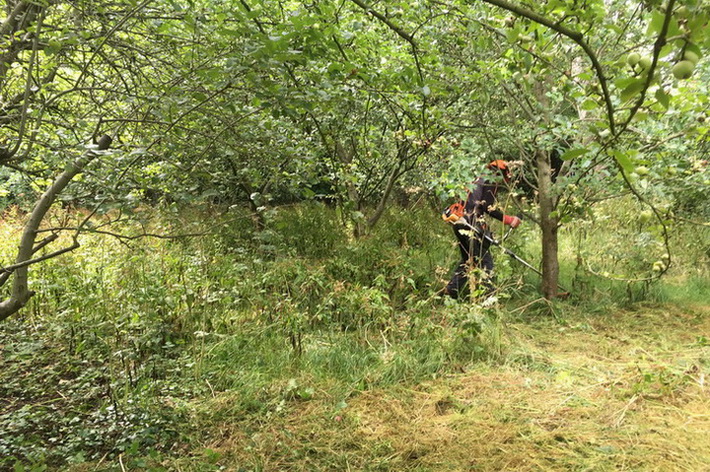
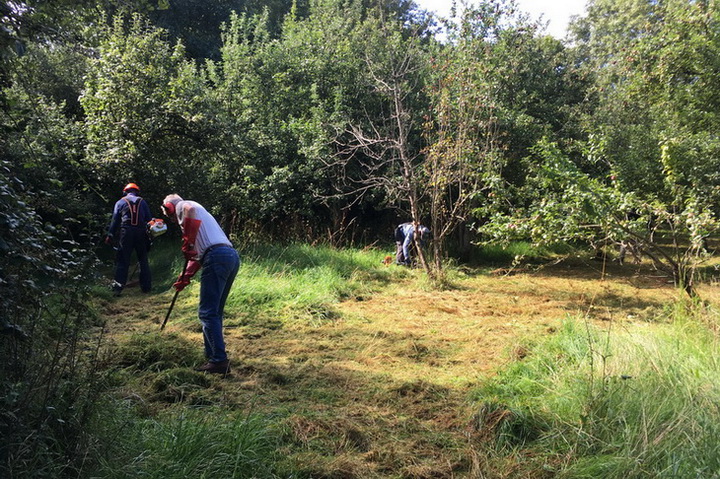
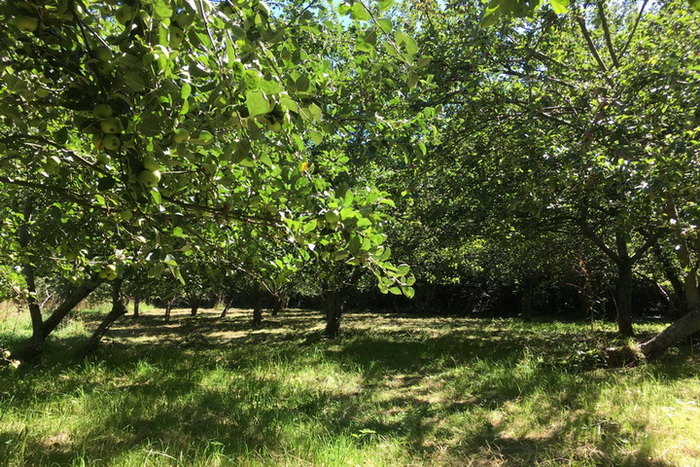
The Community Orchard – mowing and raking up grass and other rank vegetation under the apple trees. Another mowing will be done before autumn apple picking.
July 2023
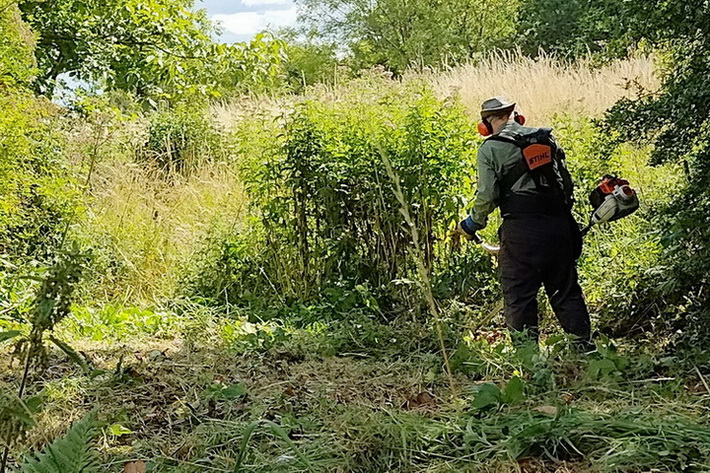
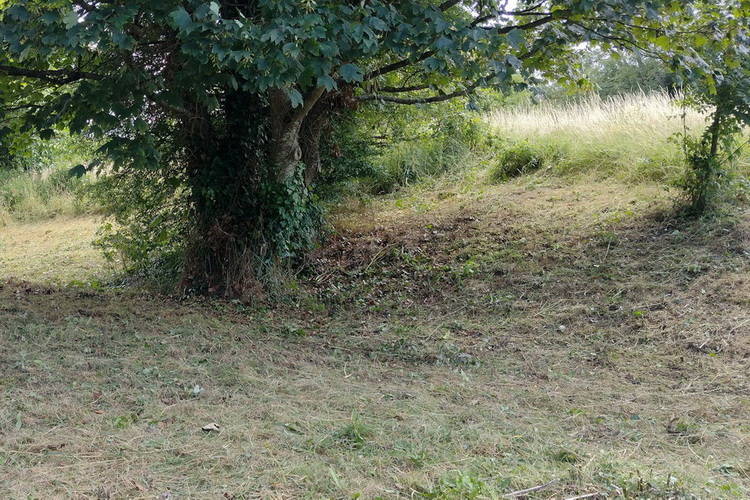
Dial Hill – brush-cutting an area inaccessible for tractor mowing. Annual mowing improves semi-natural grassland and promotes a succession of habitats.
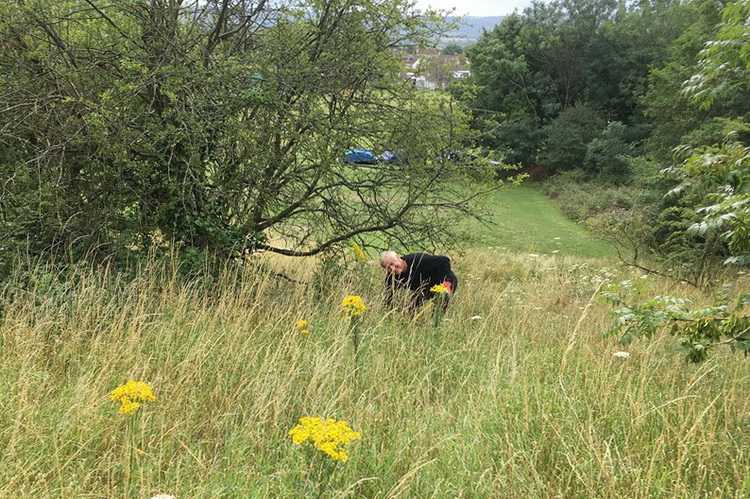
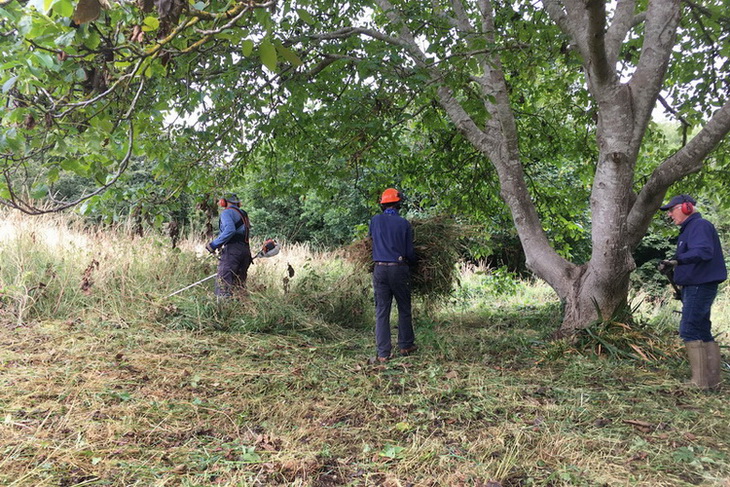
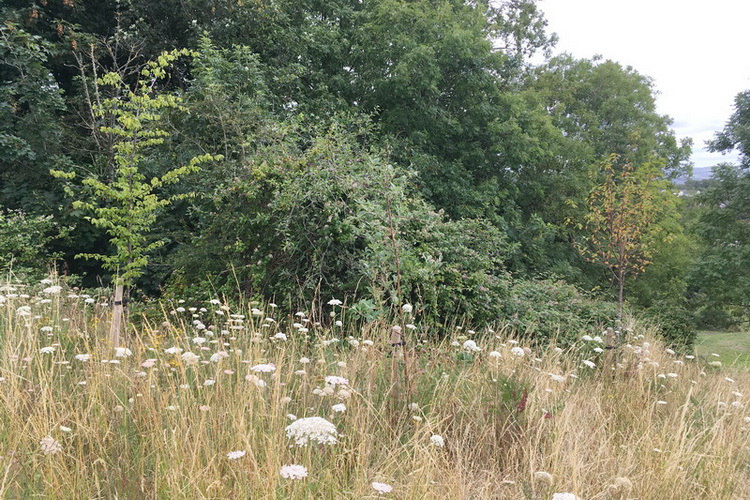
Dial Hill – although native, ragwort needs to be grubbed annually due to its toxicity. The area under two mature walnut trees is mown to improve the grassland. Young native trees, watered during a dry spell, are doing well.
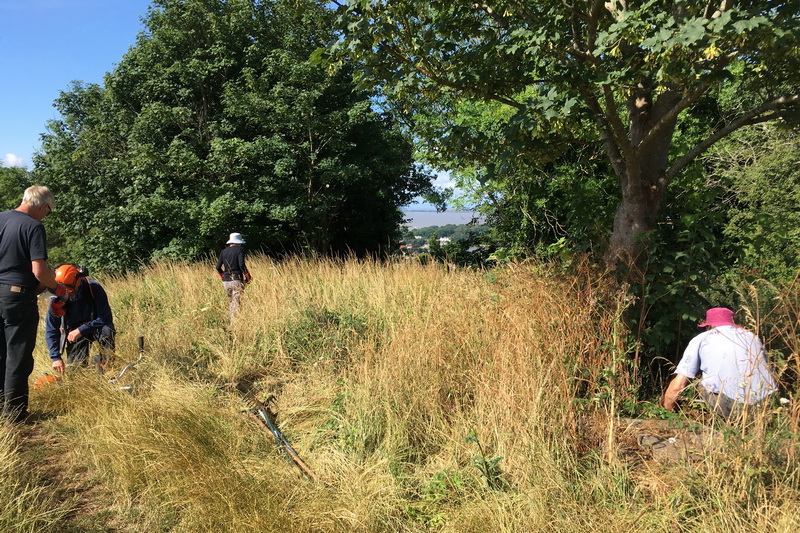
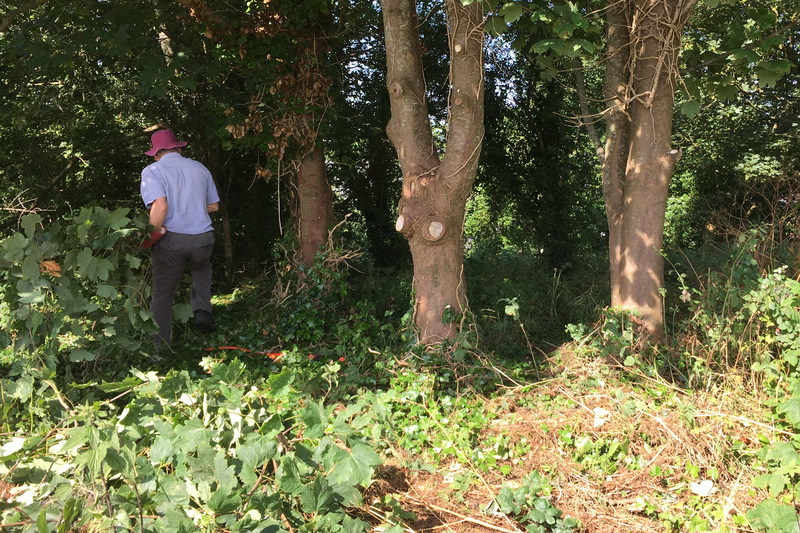
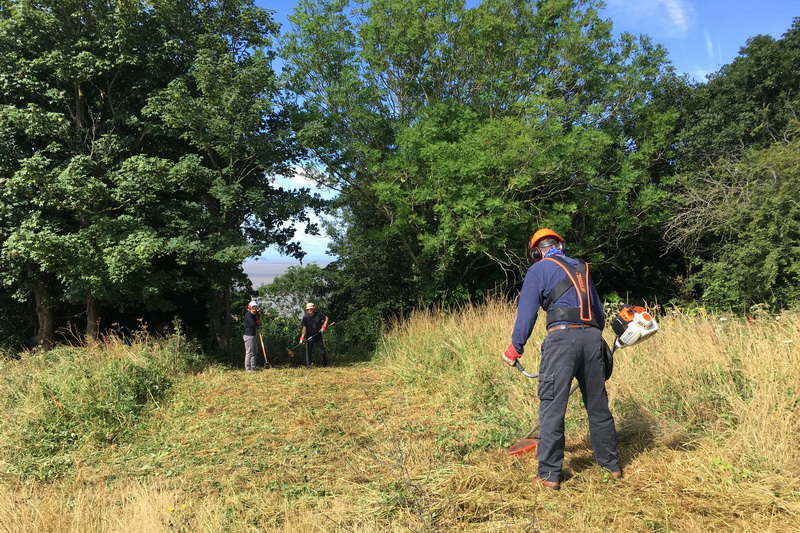
Dial Hill – mowing and raking vegetation at the view point; trimming sycamore
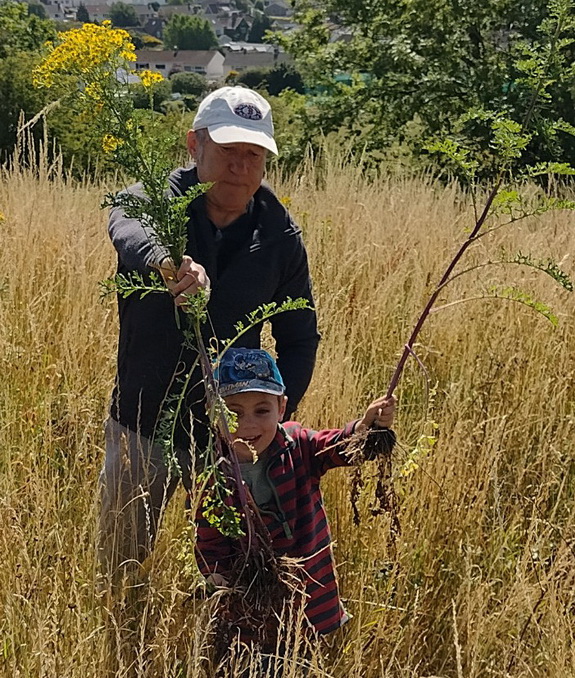
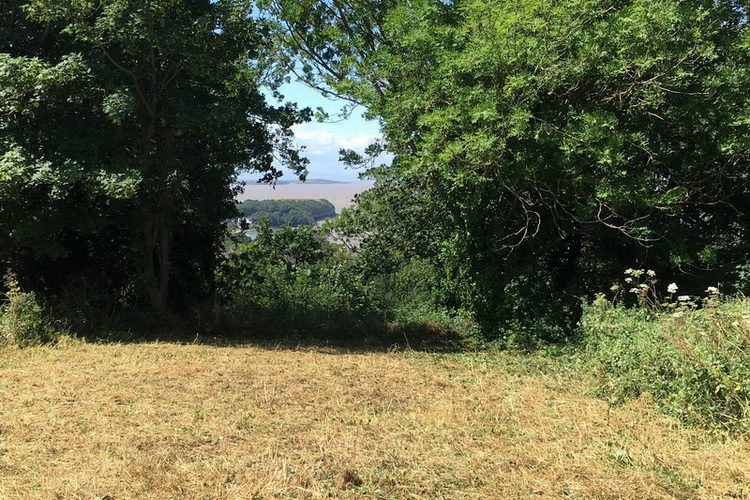
Our youngest recruit helps with pulling ragwort. The view after mowing and raking
June 2023
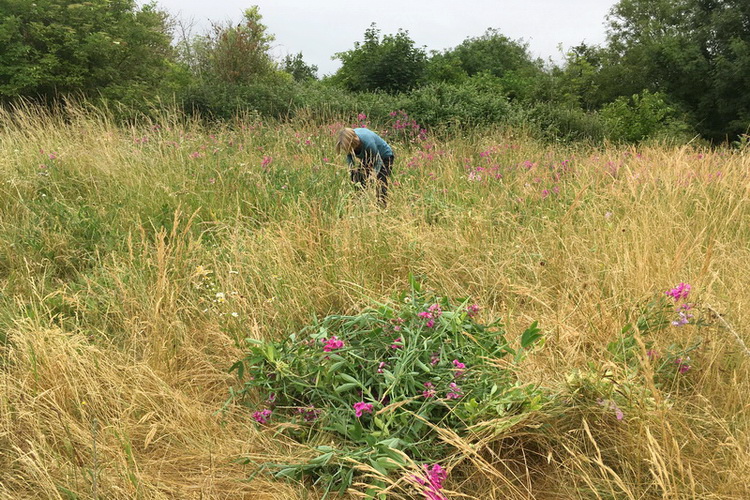

Dial Hill – non-native, invasive everlasting peas, now in flower, are pulled from the grassland and used to create a habitat pile in adjacent woodland. An earlier clearance, before flowering, was done in May, but shoots rapidly regrow, threatening to crowd out native species.
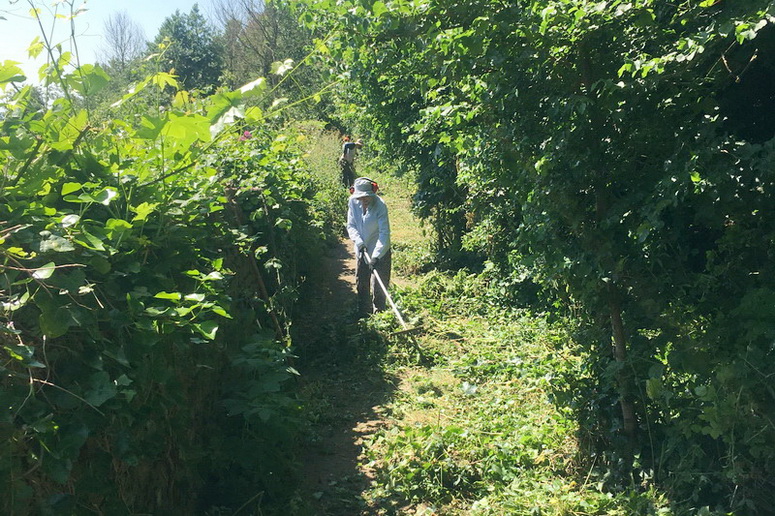
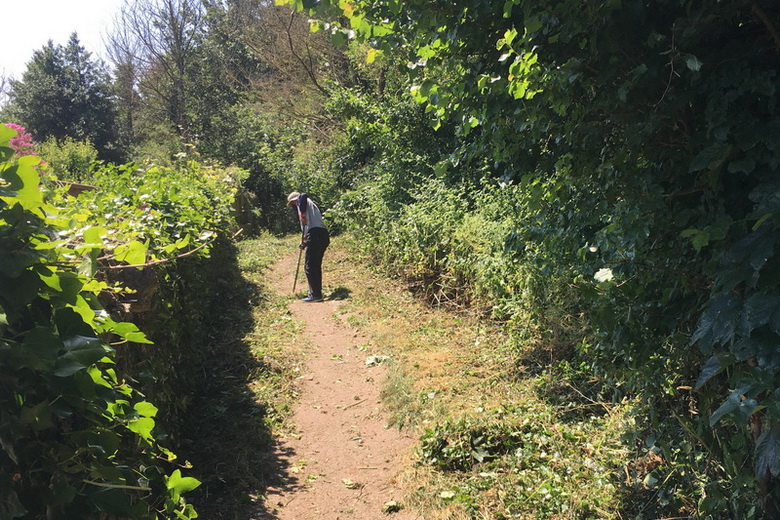
Poets’ Walk – the overgrown path on Wain’s Hill, behind the cemetery allotments, is made fully accessible again by mechanical brush-cutting, and raking off the arisings.
February 2023

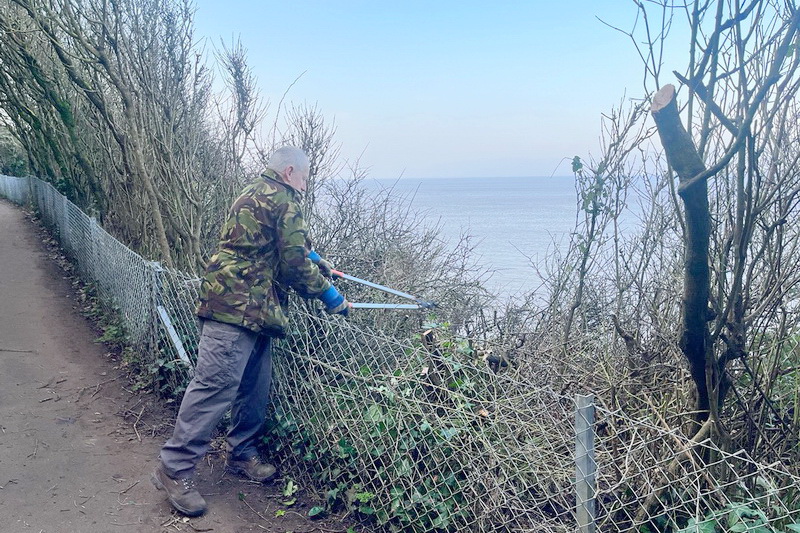
Poets’ Walk – restoring sea views from old seats set into the Church Hill rockface along the coast path by cutting back long overgrown blackthorn bushes and other vegetation. Lower ‘hedge’ vegetation further along the coast path is cut back with a hedge trimmer.
January and February 2023

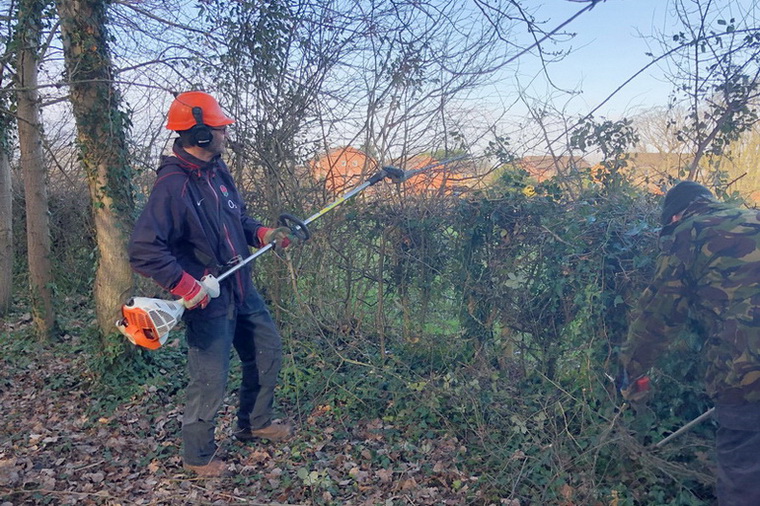
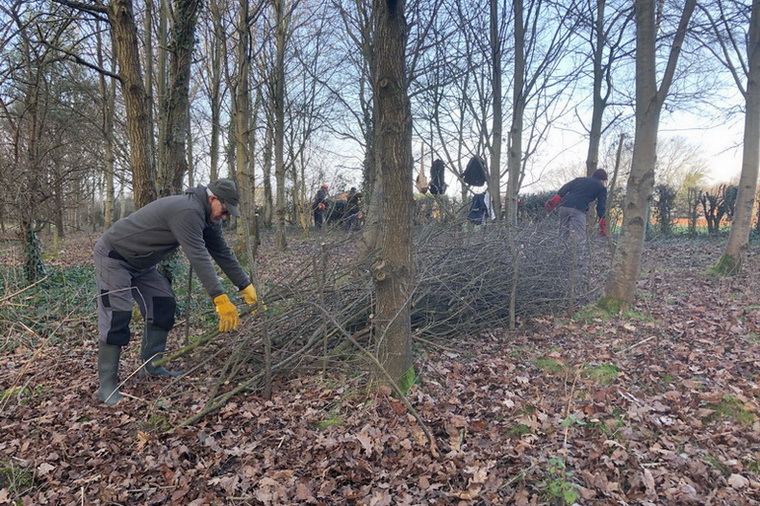
Quinney’s Wood – a section of the top hedge is mechanically trimmed to provide a succession of growth and habitat, and the arisings are made into compact habitat piles on site.
Two more young birches are planted.
 ClevedonConservationVolunteers